

You don't recover alone

Guidance for
partner and family
Addiction or trauma never affect one person alone. Partners, parents, children and other loved ones also contribute to the impact.
You may feel powerless.
You may be angry, hurt, or exhausted.
Maybe you're trying to keep it all together.
At Affect2U, we find it important that you also receive support. Not only to better understand the other person, but also to be stronger in the process yourself.


Repairing relationships
Why family counselling is so important
Addiction, trauma and mental health struggles do not only affect the individual. They also affect partners, families and close relationships.
Without support, old patterns can continue even while someone is in treatment. Family counselling helps loved ones understand what is happening, communicate more clearly, and begin repairing trust in a healthier way.
Where appropriate, we involve family members or partners through individual conversations and family sessions.
This can support more stable recovery and help everyone understand their role in the process.

When someone struggles with addiction, trauma or mental health difficulties, common family patterns may include:

taking over too much responsibility
rescuing, controlling or trying to manage the other person
conflict, distance or emotional shutdown
guilt, shame, anger or fear
uncertainty about boundaries
What does family counseling involve?
We offer support in different ways, depending on what is needed.
Family sessions with the client
Under the guidance of an experienced family counselor, we work on:
open communication
rebuilding trust
clear boundaries
understanding family patterns
mutual understanding
Support for loved ones
You are also welcome to contact us without the client present. Sometimes family members or partners need space to speak about their own experience, ask questions, and understand how best to respond.
This support can be a single conversation or continue throughout the client’s treatment, depending on what is needed.


What can you
expect?
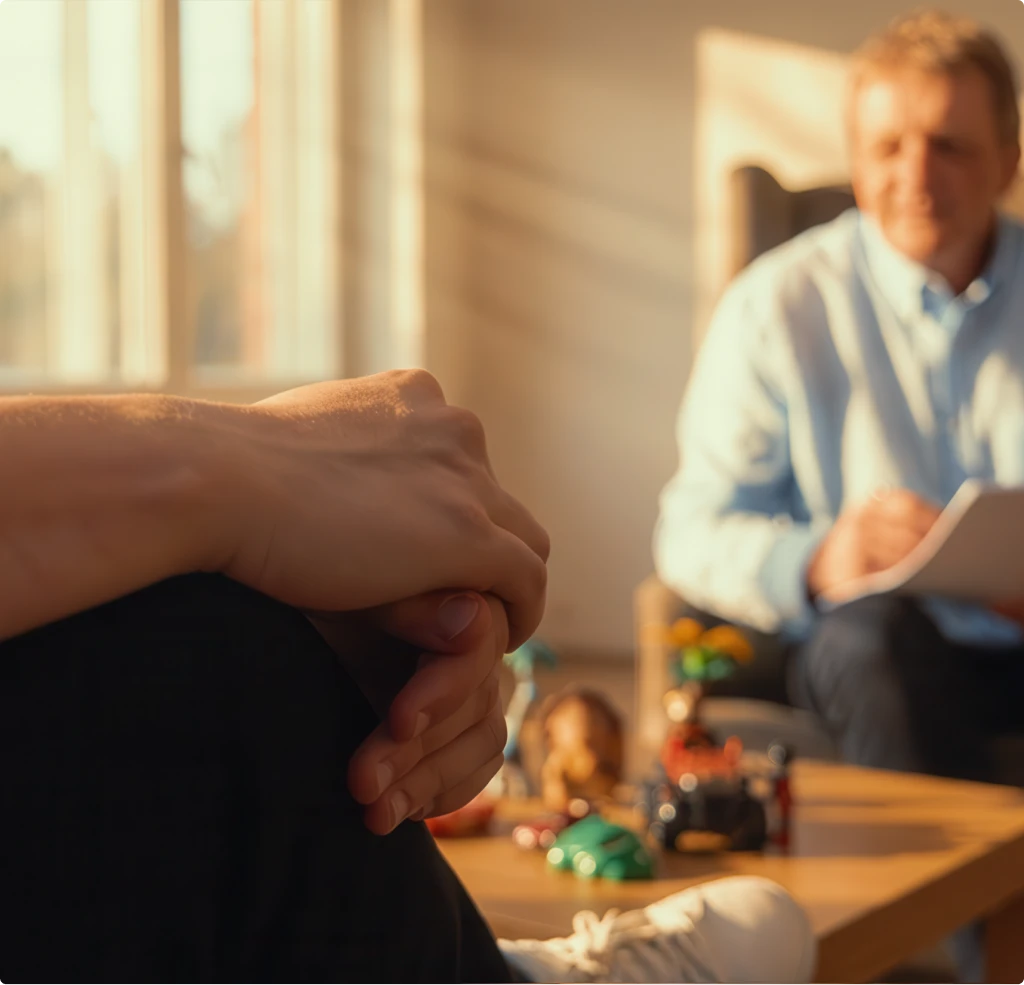
We offer a safe space to understand your own experience, ask questions, and learn how to support recovery without losing yourself.
A safe and confidential environment
No shame or blame
Space for your feelings, questions and concerns
Practical tools for difficult conversations
A better understanding of addiction, trauma and recovery
Take the first step
Are you looking for support as a loved one?
Whether you are a partner, parent, sibling, family member or friend, your experience matters too.
We offer space to ask questions, understand what is happening, and explore how best to support the person you care about without losing yourself.

Not sure what kind of support you need?
FAQs
Questions loved ones often ask

How do you recognise addiction in a young person?
What is it like to live with someone who is addicted?
Where can parents of a child with an addiction turn for help?
What does an addiction do to a relationship?
How do you cope with a partner who is addicted?
What behaviour does someone with an addiction show?
When and how do you let go of a son or daughter with an addiction?
What can I do if I feel exhausted, helpless or overwhelmed?
Why is family counselling important in recovery from addiction or trauma?
What does family counselling involve?
Can I get support if the person I care about is not ready for help?
How do you deal with someone who has an addiction?