

Sometimes recovery requires distance

Residential admission
in a safe environment
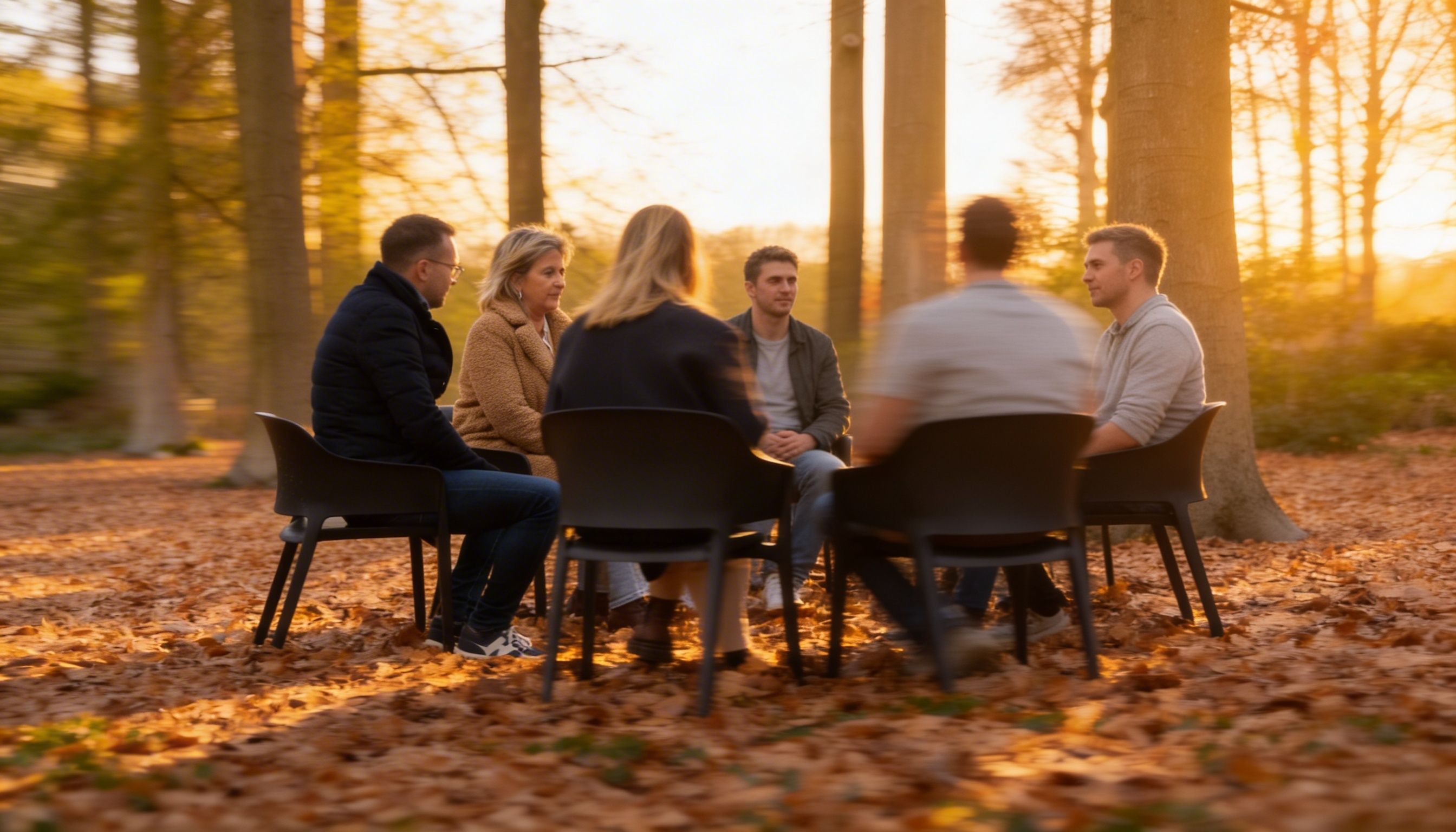
Sometimes outpatient support is not enough. Recovery may require time away from daily pressures, familiar patterns and the environment where things have become difficult to manage.
A residential stay offers a safe and structured space where you can slow down, stabilise, and begin to understand what is happening underneath.
At Affect2U, you stay in a warm, homely setting where you do not have to carry everything alone.
There is no judgement and no pressure to perform. There is clarity, structure, intensive support and a team that works with you.
A residential admission starts with 28 days and can be extended based on clinical recommendation or at your request.
In many cases, an eight-week process offers more time for deeper recovery, followed by aftercare.
Real change takes time.


Not just an admission
How do I get started?
Every treatment process starts with an intake conversation. This gives us time to listen to your story, understand what is happening, and explore which form of care may fit your situation best.
After the intake, we discuss the next step with you. Where treatment is appropriate, we aim to help you move forward quickly and safely.
Our residential programs
Our treatment programs
We offer three residential routes. Each program has a different focus, but the same basis: safety, personal growth and lasting change. As an addiction clinic and withdrawal clinic, we support both the physical withdrawal and the work that follows.
Treatment for addiction
1. Harbour House
For people struggling with substances or addictive behaviours
At Harbour House, you stay in a warm, family-like environment with a maximum of 14 residents. The programme helps you understand the patterns behind addiction: how they developed, how they affect your life, and why stopping can be so difficult even when you genuinely want to change. If you are looking specifically for an alcohol admission, this programme usually starts with a medically supervised detox.
You will work on emotional regulation, relapse prevention, communication, boundaries and rebuilding a more stable life. Our team of therapists, counsellors and experts by experience supports you step by step.
The work is yours, but you do not have to do it alone.
We also involve family members and partners where appropriate, through individual conversations and family sessions.
After 28 days, the clinical team will work with you to decide what the next step should be.

In this program, we are working on:

physical withdrawal and detox, if needed
understanding addiction and its impact on the body, brain and relationships
emotional regulation: learning to feel without needing to escape
healthy communication and setting boundaries
relapse prevention: building a practical plan for life after admission
connection with peers who understand what you are going through
After 28 days
outpatient aftercare
secondary care
an extension of your admission
Treatment for trauma
2. The Journey Inwards
For people ready to work more deeply with trauma, emotional pain and underlying patterns.
At The Journey Inwards, we support people who are ready to look beneath the surface.
This may include trauma, depression, anxiety, burnout, unresolved grief, shame, attachment wounds, or patterns connected to addiction.
Many people first use substances or behaviours to cope with feelings that feel too painful, overwhelming or confusing.
At The Journey Inwards, the focus is not only on stopping the behaviour, but on understanding what is underneath it so that recovery can become more stable and sustainable.
Admission is based on a clinical intake.
What does this program focus on?
individual and group therapy in a relaxing, wooded environment
working on underlying traumas and patterns
learn how to deal with emotions without running
discover your options in a safe and discreet atmosphere
small groups (max. 15) for maximum continuity and personal attention
guidance for family and partner through individual and group sessions
For whom?
everyone who completed the Harbour House program
anyone who is already clean and wants to work on underlying problems
anyone with trauma, burnout, depression or other complaints


3. Partner Clinic South Africa
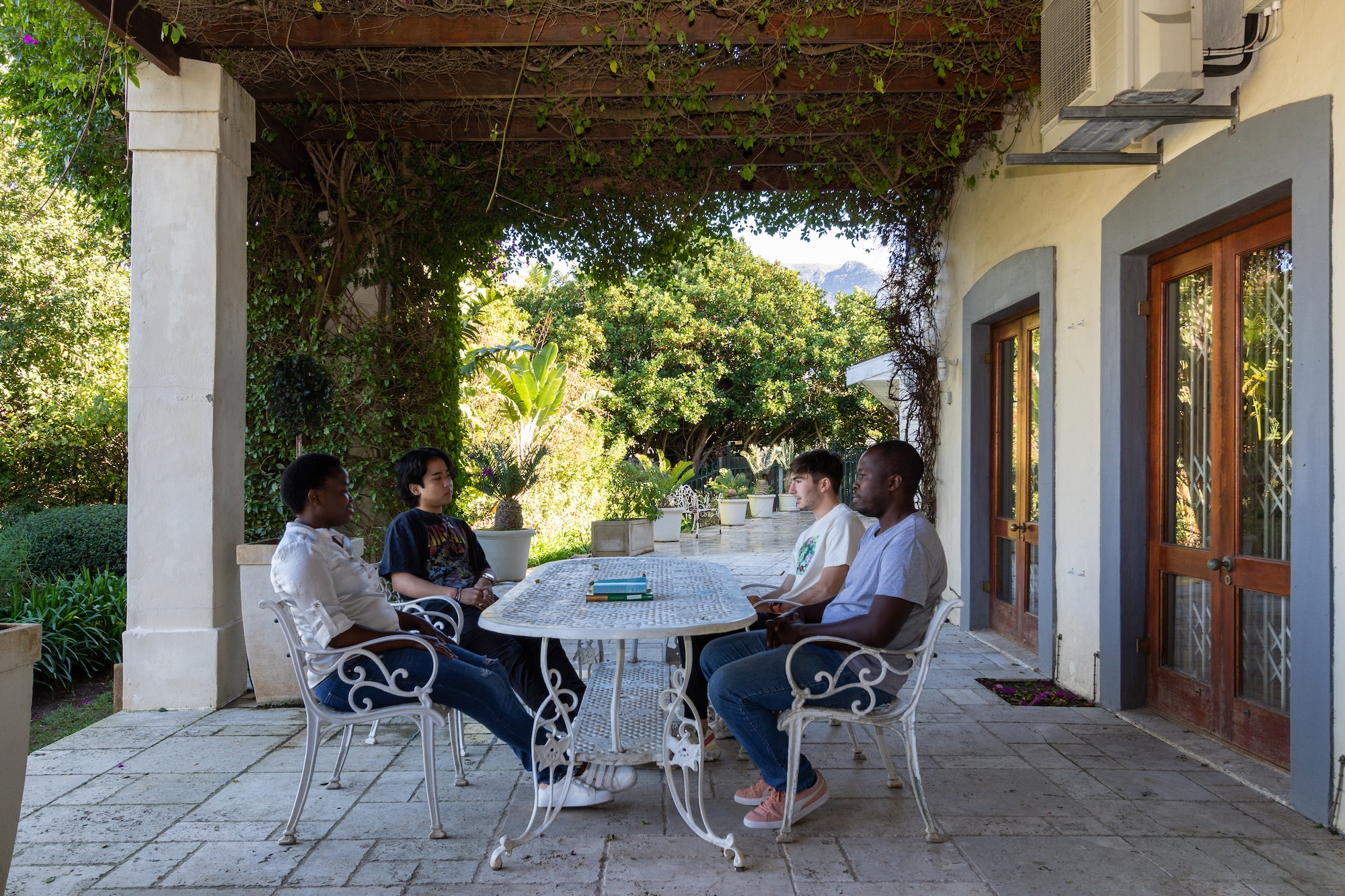
An intensive residential program in an inspiring environment.
Our carefully selected partner clinic in South Africa offers intensive residential programs in a peaceful, natural environment. During your stay, we will continue to guide family and/or partner from a distance, so that they are also supported.
After returning, we will look together at which aftercare suits you best. We often recommend The Journey Inwards, but that is not an obligation.
A residential admission
An admission is an
investment in yourself
A residential admission requires time, courage and also a financial investment. There is no reimbursement via the health insurance. We are transparent about this because we believe that honest communication is part of good care.
What do you get in return?
Rest. Insight. Counseling.
And above all: a new beginning that goes beyond just quitting.
Take the first step
Together we look for the treatment
that suits you.
During an informal conversation, we listen to your story and see which program suits you best. It doesn't matter how long you've been struggling; all change starts with one conversation.
Not sure about an admission?
FAQs
about admissions

How do I know if residential treatment is the right choice for me?
Do you have to completely give up work and contact with your family during a stay?
What happens during an admission?
How long does a stay for addiction or trauma last?
What is a residential admission?